A bathroom remodel goes best when the big decisions come first. Settle the layout, the shower or tub choice, and the waterproofing before you pick tile or fixtures. Those early choices shape every step after them, from the plumbing to the paint.
Start with the shower vs tub decision
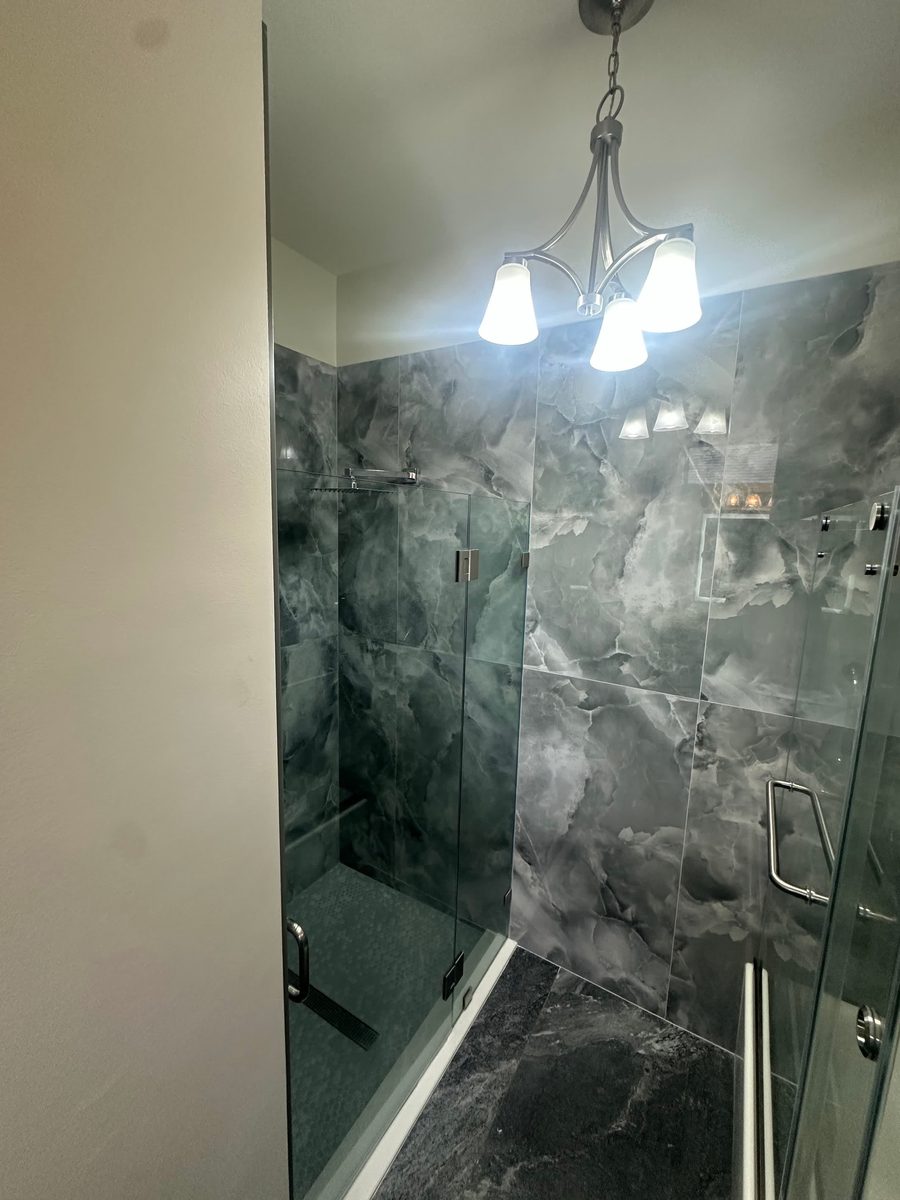
A tub suits people who like to soak or who bathe young children. A shower takes up less floor space and is often easier to step into. In a small bathroom, a shower with a clear glass panel can make the room feel larger and brighter.
Think about how the room is used every day. Stand in the space with a tape measure and picture your normal morning. Check the door swing, the shower size, and where the controls will sit. Make the choice before demolition, since moving a tub or shower later adds plumbing work and time.
Waterproofing protects the whole room
Water is the main enemy of a bathroom. Shower walls and the floor around them need a waterproof system behind the tile. This layer keeps moisture out of the wall framing and subfloor. If it fails, the damage often shows up slowly, in soft floors, stains, or a musty smell.
Ask how the team plans to waterproof the shower and the floor before any tile goes up. Good answers name the materials and the steps. They should also explain how corners, edges, and the shower pan will be sealed.
Plan the layout and plumbing
Moving a toilet, a tub drain, or a shower drain takes more work than replacing a fixture in the same spot. Walls may need to be opened, and floors may need new framing or venting. Each move adds planning and time to the job.
If the layout can stay where it is, that is often the simpler path. If you want to move plumbing, bring it up at the start. Older homes in Vero Beach can hide surprises behind the walls, so keep some room in the schedule for those.
Choose tile with the room in mind
Tile is one of the first things people notice. Choose a floor tile with a texture that gives good grip when it is wet. Shower walls need materials made for daily water. Florida humidity is hard on finishes that are not built for wet rooms.
Look at tile samples in your bathroom light, not only in a showroom. Order a few extra pieces for future repairs. Grout matters too. Light grout shows dirt faster, while darker grout hides it but can be harder to match later.
Plan the vanity and storage
The vanity is the center of most bathrooms. Measure the wall space before you choose a size, and leave enough room to open drawers and doors fully. Deep drawers usually hold more than open shelves.
Tall cabinets and recessed medicine cabinets add storage without taking up floor space. Set the counter height so the sink is comfortable for everyone who uses it. Think about towel bars and hooks too, and place them where you will reach for them.
Light and ventilation
Good light makes a small bathroom feel bigger. It also helps with shaving, makeup, and daily tasks. Plan for light at the mirror, not just one ceiling fixture. A dimmer switch and a night light make early and late trips easier.
Ventilation matters just as much. A strong exhaust fan removes steam and helps protect paint and drywall from moisture. Make sure the fan vents outside, not into the attic. Plan the duct path before the walls are closed.
Settle the details before demolition
Before the first wall comes down, decide on the full scope. Write down the shower layout, the tile, the vanity, the lighting, and the fan location. Changes after demolition are slower and can add cost, so it helps to finish these choices first.
Ask for one written scope and price before work starts. A clear written plan lets you compare options and see what is included. It also gives the crew a shared picture of the job from day one.
Who handles permits and inspections
Many bathroom remodels need permits, especially when walls, plumbing, or electrical change. Ask how permits are pulled and how inspections are handled. A good contractor manages those steps so the work is not held up at the wrong stage.
Find out who will coordinate the trades. Plumbing, electrical, tile, and paint all depend on the work before them. Clear scheduling keeps the job moving and avoids crews waiting on each other.
Questions to ask before you start
- Will the shower or tub stay in the same spot?
- How will the shower and floor be waterproofed?
- Where will the exhaust fan vent?
- Which permits are needed, and who handles the inspections?
- What is in the written scope, and what is left open?
Those answers make it easier to compare estimates line by line. They also show how careful the team is about the details.
If you are curious how a bathroom fits into a bigger plan, read our guide on bathroom remodeling in Vero Beach. It covers the main factors that shape a project from start to finish.
Urban Remodeling serves Vero Beach, Sebastian, Fort Pierce, Port St. Lucie, Stuart, and Melbourne. Our office is at 1125 US Hwy 1 in Vero Beach. We offer free estimates for bathroom remodeling and our other services, including bathroom remodeling for homes across the Treasure Coast.
Ready to plan your bathroom? Call (772) 404-8397 to request a free estimate. We will walk the space with you and talk through your options.
Thinking about this project?
Request a free estimate: (772) 404-8397. We’ll walk the space with you and put a written price in front of you.
Call (772) 404-8397 Request a Free Estimate