Convert the bathroom you use every day to a walk-in shower, but if you have young kids or may sell to a family, keep at least one tub in the house. Urban Remodeling gives this advice to homeowners who ask about bathroom remodeling and wonder whether every tub has to go.
A walk-in shower is easier to step into and easier to clean. A tub still does a job that a shower cannot. The right answer depends on who lives in the house now and who may buy it later.
When is a walk-in shower the better choice?
A walk-in shower is the better choice when the bathroom is used by adults every day and nobody in the house needs a tub. It also wins when the tub is rarely filled and mostly sits there as a place to stand under a shower head.
These signs point toward converting:
- The tub has not been used for a soak in a long time.
- Stepping over the tub wall is getting harder for someone in the home.
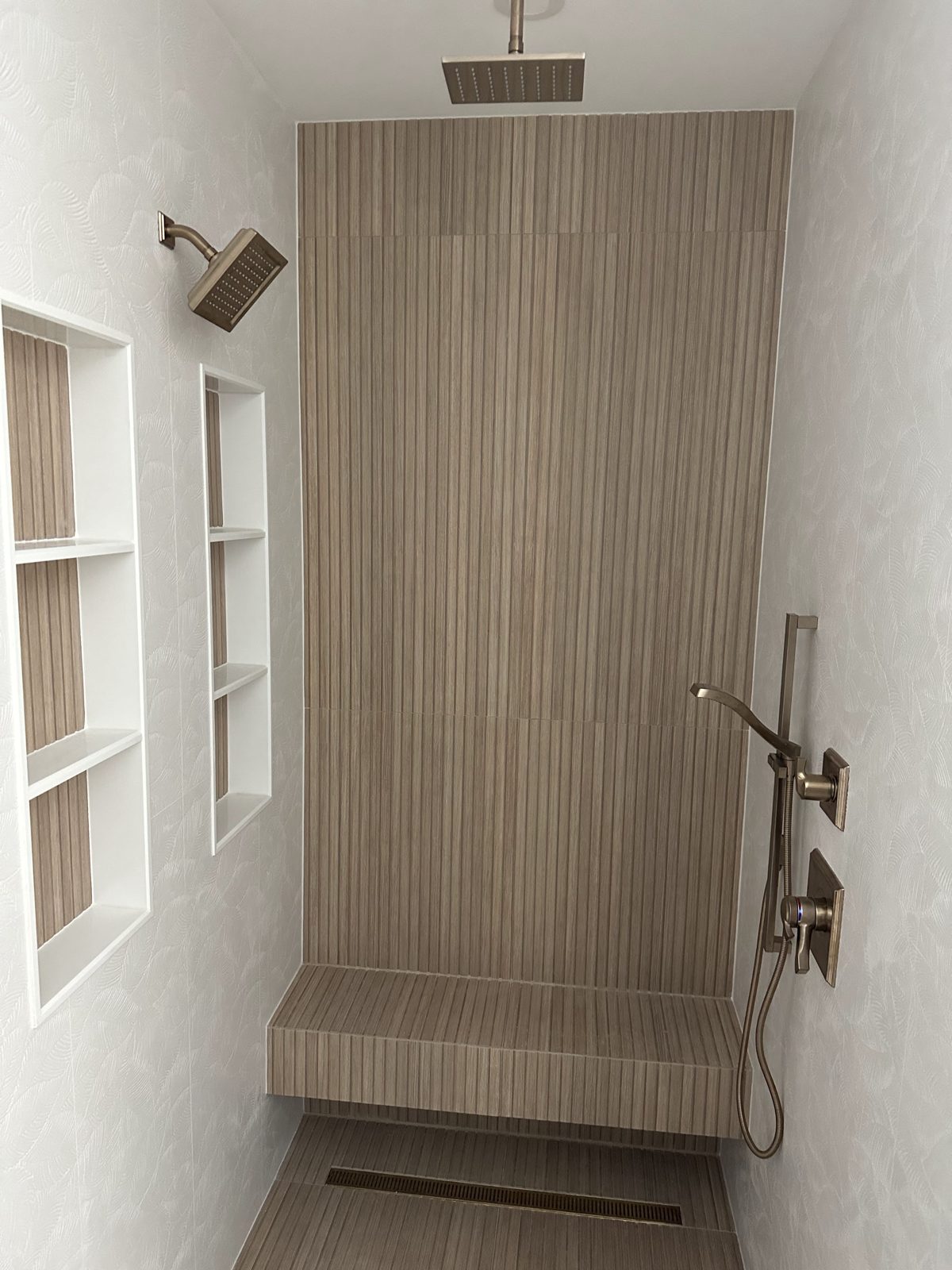
- The bathroom is small and the tub takes up the space that a bench, niche or wider shower could use.
- The shower is the only part of the tub area anyone uses.
In that kind of bathroom, a walk-in shower gives you more usable floor and a cleaner look. If you are still deciding on the shape, our guide on walk-in shower versus tub remodels in Vero Beach walks through the trade-offs in more detail.
When should one tub stay?
One tub should stay when the house has a child who is too young for a shower, or when you expect to hand the house to a buyer with a family. A tub is the simplest place to bathe a baby or a toddler, and many parents look for one when they tour a home.
Urban Remodeling usually recommends keeping at least one tub in the house for this reason. The advice is not about keeping every tub. It is about making sure the house still has one when it is needed.
A tub can also matter for other reasons that have nothing to do with kids:
- Bathing a family pet.
- Soaking after a long day in the yard or on the water.
- Rinsing large items that will not fit in a sink.
- Guests who simply prefer a bath.
If the only bathtub in the home is the one you are about to remove, pause before you commit. Ask yourself whether another bathroom could take the tub instead.
Does your household change the answer?
Yes. The people in the house now, and the people likely to live there in the next several years, should drive the decision more than any trend.
Here is how different households usually line up:
- Young kids at home: keep a tub in the bathroom the kids use, and convert a different bathroom if you want a walk-in shower.
- Adults only, no plans to sell soon: converting is often a good fit, especially in the main bath.
- Someone who finds the tub wall hard to step over: a walk-in shower is worth planning first, and a bench or grab bar location can be discussed at the estimate.
- Grandkids who visit often: keep one tub somewhere in the home so bath time is easy when they stay.
Most homes with more than one bathroom can do both. One bathroom becomes the walk-in shower and another keeps its tub. That way you get the daily comfort of the shower and the flexibility of the tub.
What about resale to a family?
If you may sell to a family, a house with no tub at all can narrow the pool of buyers. Families with small children often look for at least one tub, and some buyers will count the missing tub against the house.
This is why Urban Remodeling talks about resale before the demolition starts. We cannot promise what a buyer will want or what a house will sell for. We can tell you what we usually recommend, which is keeping at least one tub in the house.
A good question to ask yourself is how long you plan to stay. If you plan to stay for many years and your household is adults only, convert freely. If a sale is possible within a few years, a tub in one bathroom is a low-regret choice.
The Treasure Coast has plenty of homeowners who are in this exact spot, from Vero Beach and Sebastian down to Fort Pierce, Port St. Lucie and Stuart. Many of those homes have two or three bathrooms, which makes the one tub, one shower approach easy to plan.
Which bathroom should convert first?
Convert the bathroom you use every day. That is usually the primary bath, or the hall bath if it is the one that gets the most use. The daily bathroom is where a walk-in shower pays you back fastest.
Leave the tub in the bathroom that serves kids, guests or the second bedrooms. If a house has only one full bathroom, talk through the choice carefully at the estimate, because that single tub may be the one the next owner wants.
When we visit a home, we walk through each bathroom with you and ask how each one is used. We look at the size of the room, the position of the plumbing and the layout of the shower. After that, you get one written scope and price before work starts, so the decision about which tub stays is made on paper before anything is demolished.
What happens after you decide?
After you decide which bathroom converts, the next step is a plan for the shower itself. That includes the size, the entry, the bench or niches if you want them, and the glass or curtain. You can read about the glass side in our shower door service page.
Permits are pulled under the contractor's own license and inspections are handled for you, so you do not have to chase paperwork between trades. Urban Remodeling serves Vero Beach, Sebastian, Fort Pierce, Port St. Lucie, Stuart and Melbourne.
If you are still unsure whether to convert, bring the question to the estimate. Seeing the bathrooms in person makes the tub question much easier to answer.
Call Urban Remodeling at (772) 404-8397 to book a free estimate, and we will help you decide which bathroom gets the walk-in shower and which one keeps its tub.
Thinking about this project?
Book a free bathroom estimate. We’ll walk the space with you and put a written price in front of you.
Call (772) 404-8397 Request a Free Estimate