Mold in a Florida bathroom usually comes from moisture that stays too long. Good ventilation, sound waterproofing, and the right grout and tile choices all work together to keep surfaces dry. A bathroom remodel is the best time to build these protections in, before the walls are closed. Here is what homeowners in Vero Beach and nearby cities should plan for.
Florida homes face heavy humidity most of the year. Warm, damp air moves through the bathroom after every shower and settles on cool surfaces. If the air has nowhere to go, mold finds a place to grow. Planning for airflow and water control from the start keeps the room fresh longer.
Why Do Florida Bathrooms Grow Mold So Easily?
Hot showers add steam, and steam condenses on walls, ceilings, and mirrors. Those damp surfaces stay wet longer when the air is already humid outside. Corners, behind toilets, and inside vanity cabinets are common trouble spots. Mold needs only moisture, warmth, and a surface to feed on, and bathrooms offer all three every day.
Many older bathrooms also have small exhaust fans that move little air. A fan that runs only for a few minutes after a shower often leaves moisture behind. Better planning can fix that problem before the remodel is finished.
How Should the Exhaust Fan Be Planned?
The exhaust fan is your first line of defense. It should be sized for the room, placed where it can pull moist air away from the shower, and vented outside the home. A fan that dumps air into the attic can cause moisture to collect in the roof framing. Ask your contractor to confirm the vent path before the ceiling is finished.
Run the fan during each shower and let it continue for a while afterward. A timer switch or a humidity-sensing control can help with this habit. Keep the fan clean, since dust and lint reduce airflow over time. A fan that runs well is one of the cheapest ways to protect a bathroom from mold.
What Waterproofing Protects the Walls?
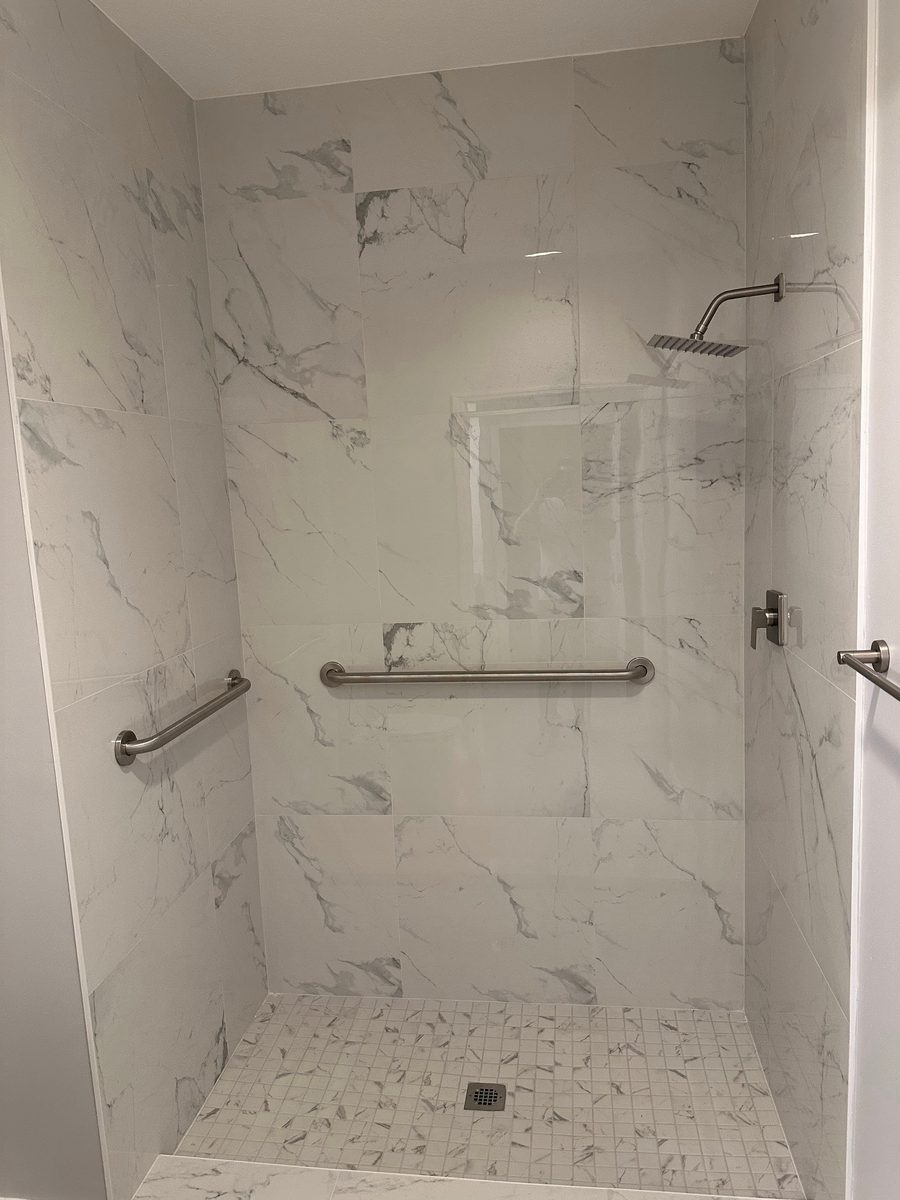
Water that gets behind tile is hard to see and harder to fix. A proper shower build uses a waterproof membrane or backer board, with careful attention to corners, seams, and the shower pan. Every penetration, such as a valve or a shower head arm, needs a sealed connection. These details are what keep water from soaking into the wall framing.
Ask how the waterproofing will be installed before the tile goes up. Test the shower pan as the work progresses if your contractor offers that step. Water tests are a simple way to catch a leak while it is still easy to access.
How Do Grout and Caulk Affect Mold?
Grout is porous, so it can hold moisture and pick up stains. Sealed grout resists water better and is easier to clean. Epoxy grout is another option that resists stains and moisture well, though it is harder to install. Choose the grout that fits your budget and the level of use the shower will get.
Caulk is just as important. Silicone caulk at the tub edge, shower corners, and around fixtures helps keep water from moving behind the tile. Old caulk cracks and peels over time. Replace it when you see gaps, and use a product made for wet areas.
Which Tile and Paint Choices Help?
Tile with low water absorption is a smart choice for showers and floors. Large-format tile has fewer grout lines, which means fewer places for moisture to hide. Glossy finishes are easier to wipe clean than rough textures. Ask which tile suits wet areas before you choose a pattern.
Paint matters too. Choose a paint made for bathrooms and high humidity, and use a primer that is designed for damp rooms. Walls around a shower often need a moisture-resistant finish. A good paint job protects the drywall behind it, but it does not replace proper waterproofing.
What Else Keeps the Air Moving?
Air needs a path in and out of the bathroom. A door that closes tightly can trap steam, so consider a gap at the bottom or a transfer grille to the hallway. Keep bath mats and towels from piling up on the floor, where they hold water. Hang towels to dry and open the vanity doors after showers if they are not left closed all day.
Window choices matter as well. A window that opens lets fresh air in during dry weather. Use it when conditions allow, and close it when the air outside is very humid.
What Are the Early Warning Signs?
Catch mold early by watching for small changes. Look for dark spots in the caulk, a musty smell that lingers, or paint that bubbles near the shower. Stains on the ceiling or around the vanity can point to hidden moisture. If you notice any of these signs, check the fan and the seals before the problem spreads.
Do not ignore a musty smell that keeps coming back. It often means water is getting somewhere it should not. A quick inspection can save a lot of repair work later.
When Should You Bring in a Professional?
Call for help if you see mold spreading over a large area, if walls feel soft, or if you suspect a leak behind the tile. A professional can open the area, check the framing, and repair the source. This step is important before a new finish goes on top.
For a bathroom remodel, plan the ventilation and waterproofing with your contractor from the first meeting. Urban Remodeling serves Vero Beach, Sebastian, Fort Pierce, Port St. Lucie, Stuart, and Melbourne. We handle bathroom remodeling from planning through final inspection. You can read more about our bathroom remodeling services to see how we approach each step.
Homeowners in the Melbourne area can also learn about our local work on our Melbourne service area page. It lists the projects we handle and how we work with homeowners there.
Ready to plan a bathroom that stays fresh? Urban Remodeling offers free estimates. Office at 1125 US Hwy 1, Vero Beach, FL. Call (772) 404-8397 to schedule a visit, and we will walk through ventilation, waterproofing, and finish choices with you.
Thinking about this project?
Request a free estimate for your bathroom. We’ll walk the space with you and put a written price in front of you.
Call (772) 404-8397 Request a Free Estimate